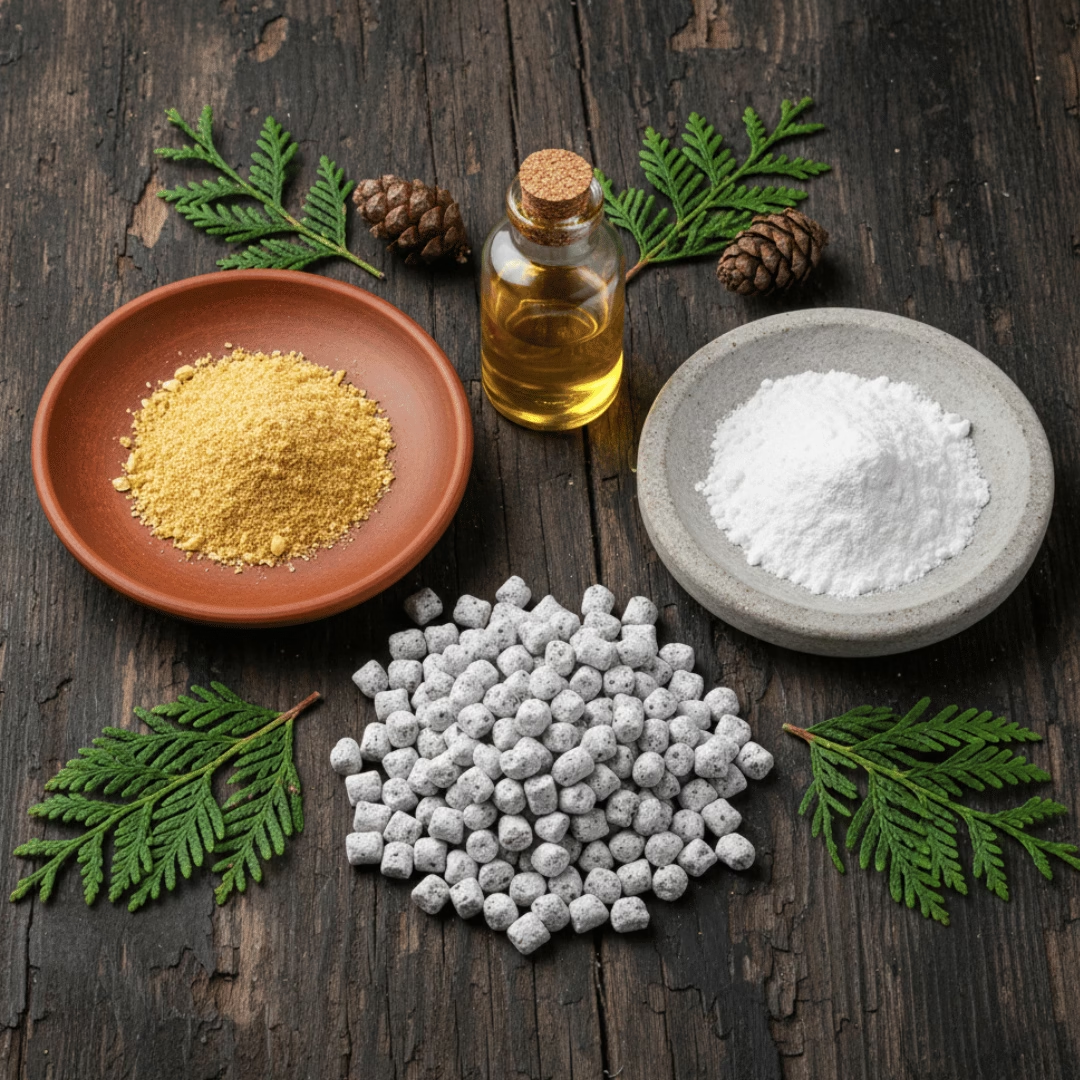
If you are wondering how Orthodox incense is made, there is a common misconception that it is simply raw tree sap, or perhaps an extraction of literal stone that has been dipped in perfume. In reality, authentic Greek monastic incense is a meticulously crafted blend. It requires intense physical labor, precise formulation, and a foundation of prayer.
Every grain of incense that leaves our workshop in Boeotia is the result of a hand-kneaded, homogeneous process designed to produce a clean-burning, beautiful fragrance for worship. Here is a look inside the traditional monastic craft.
1. The Foundation: Ground Frankincense Powder
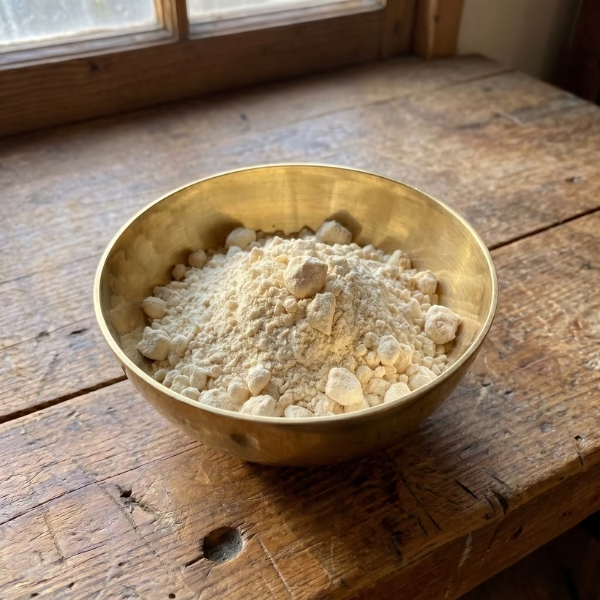
The process begins with the base material. We exclusively use premium, hand-sorted Boswellia papyrifera frankincense tears imported from Ethiopia. Lower-grade frankincense is often heavily mixed with bark, wood shavings, and agricultural debris. If these impurities are left in the base, they will scorch and char on the charcoal, producing an acrid, burnt-wood, smoky odor.
To create our traditional incense, these pristine frankincense tears are completely crushed and ground down into a very fine, clean powder. This powder forms the blank canvas for the fragrance.
2. The Homogeneous Blend: Hand-Kneading the Dough
Once the frankincense is powdered, the scent is introduced. We use only pure, undiluted aromatic essences imported directly from master distillers in Switzerland. Because we refuse to use cheap petrochemical solvents or synthetic diluents like Dipropylene Glycol (DPG), our oils are highly concentrated.
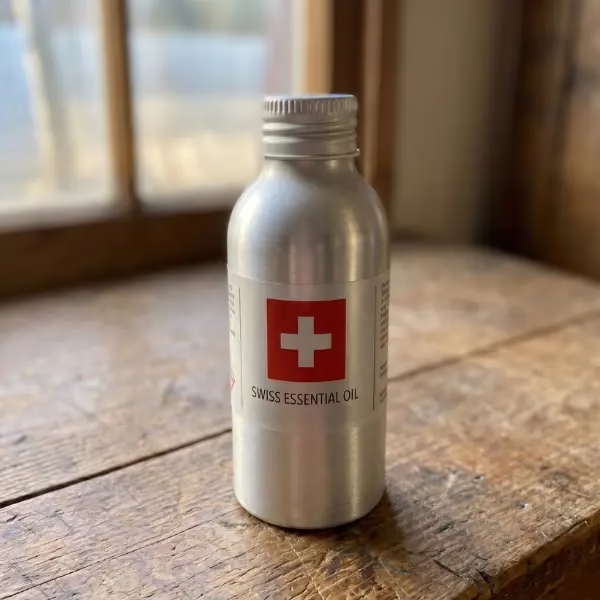
The Swiss essences are poured directly into the powdered frankincense. This is where the most physically demanding work begins. The mixture must be vigorously hand-kneaded until the powder and oils bind together perfectly, transforming into a thick, uniform dough.
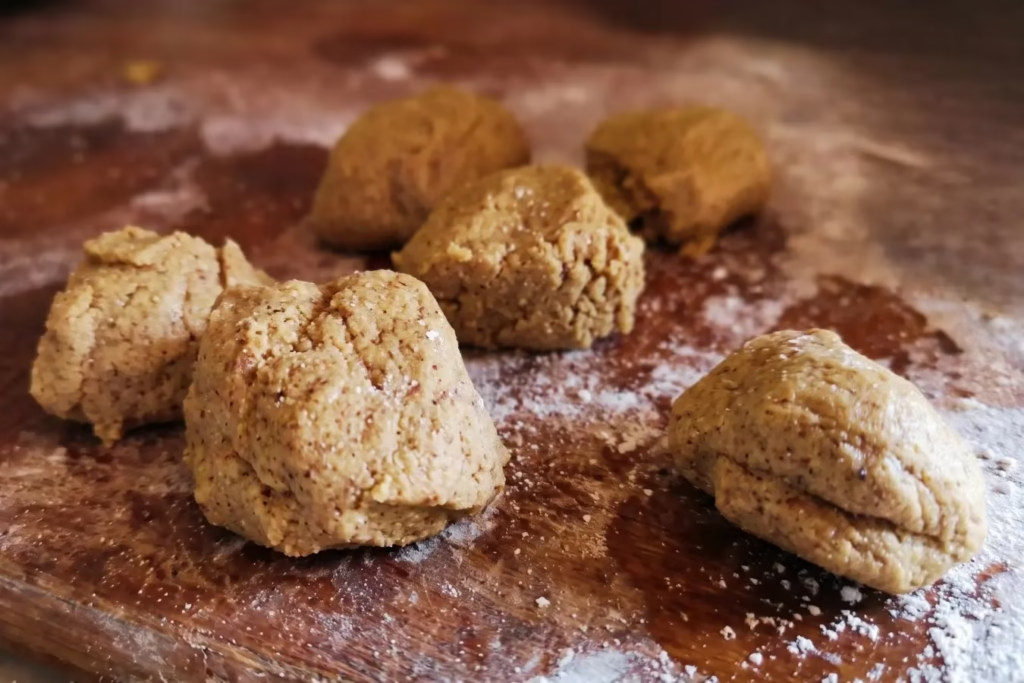
Because true monastic incense is a thoroughly kneaded dough rather than a surface-coated rock, the fragrance is locked into the very molecular structure of the blend. When placed on charcoal, the scent is released evenly and consistently from start to finish.
3. The Mineral Guard and Rolling the Ribbons
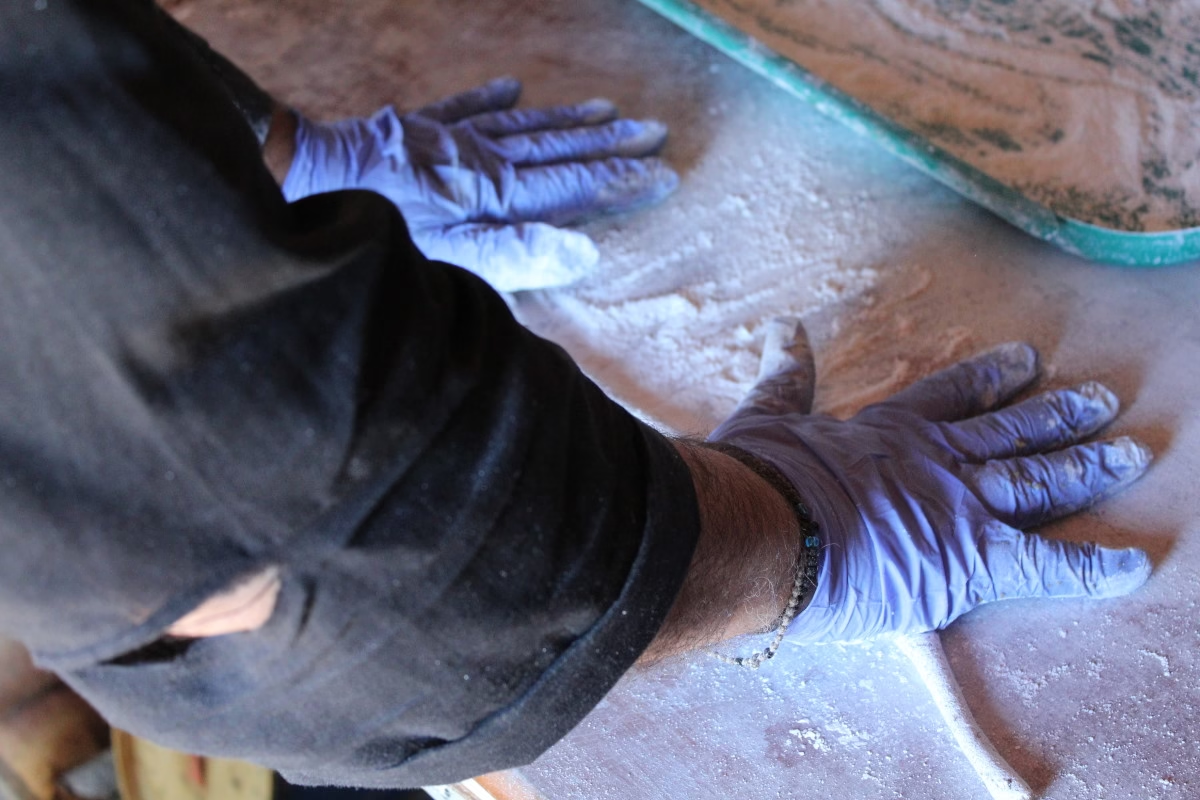
Once the dough reaches the perfect consistency, it must be carefully formed and protected. The precious essential oils need to be sealed inside the blend so they do not evaporate, and the highly sticky dough needs a parting agent.
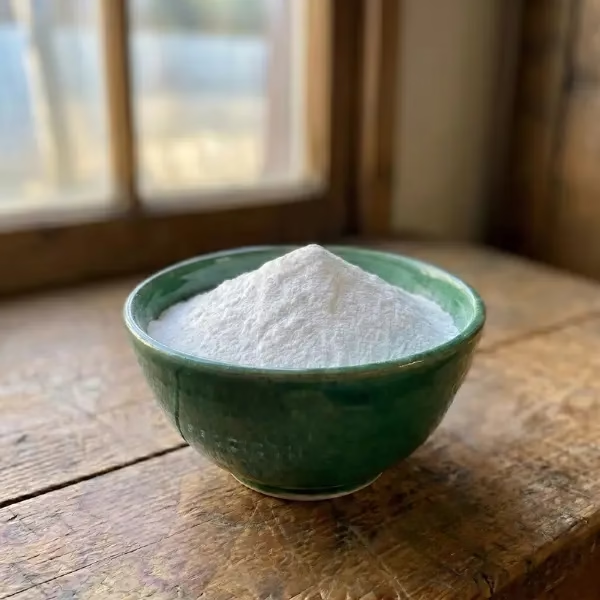
To achieve this, the monks sprinkle pure magnesium carbonate powder onto the rolling surface before rolling the dough into long, even ribbons on it. This thoroughly coats the outside of the blend. This pristine white mineral acts as a microscopic sponge that locks the Swiss essences safely inside.
Pure magnesium carbonate is the historic, traditional standard for coating monastic incense used throughout Greece for centuries—a time-tested method that preserves the fragrance perfectly without adulterating the final burn. While many commercial, industrial-scale producers cut costs by using talcum powder, talc acts merely as a lubricant and can release dangerous heavy-metal contaminants when heated. Magnesium carbonate, on the other hand, is completely chemically inert. When placed on a hot charcoal briquette, it does not scorch or release any chalky smoke—it simply leaves behind a harmless, scentless white ash, allowing the pure frankincense and oils to vaporize cleanly.
4. Curing and Hand-Cutting the Tears
Unlike industrial incense that is mechanically chopped on an assembly line immediately, our ribbons require patience. The magnesia-coated ribbons are carefully laid out in trays to cure.
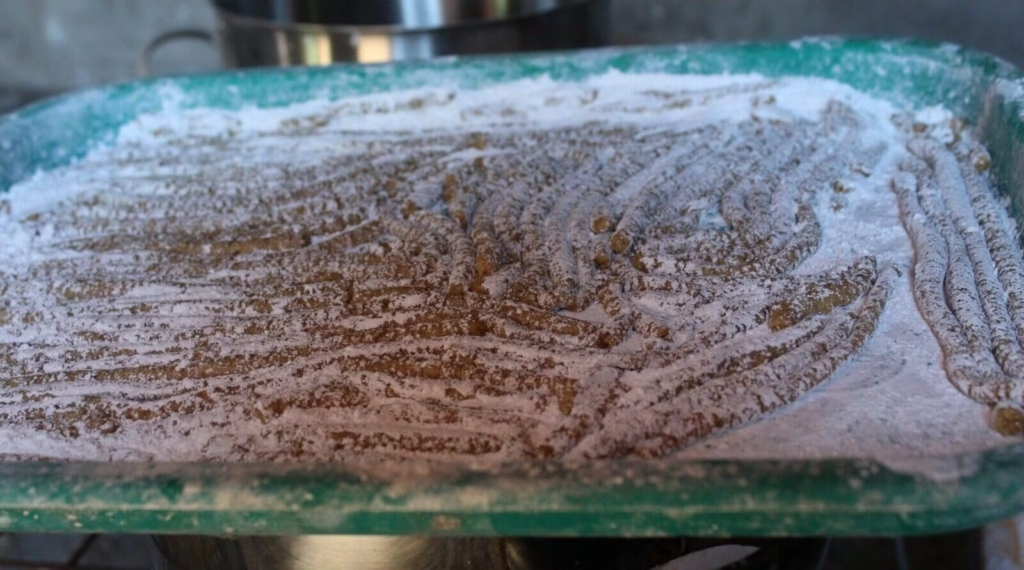
They are left to rest so the blend can partially cure and the fragrance can properly stabilize within the dough. Only after they have cured to the proper consistency do the monks take scissors and meticulously hand-cut the ribbons into uniform, bite-sized pieces, traditionally referred to as “tears” or “grains.” This highly labour-intensive method ensures that each grain of incense is unique.
5. A Labour of Prayer
The creation of pure Greek Orthodox monastery incense is not an industrial manufacturing process; it is a monastic labour and tradition. The physical work of kneading the dough, rolling the ribbons, and cutting the tears is always done in a spirit of prayer.
When you light a piece of authentic Greek Orthodox monastery incense in your home or support our monastery through a purchase, you are not merely burning a fragrance. You are offering up a crafted blend that was born from Orthodox prayer, designed to elevate the mind and heart toward God. You can learn more in our step-by-step guide on how to burn Orthodox incense at home.
Understanding how Orthodox incense is made helps you appreciate the profound difference between mass-market products and a true monastic offering.
Want to experience the difference of a hand-crafted blend? Browse our full collection of incense or view our wholesale guidelines for information on how to make a bulk order.